A case study on how capital reaches Solana
Internet capital markets need an on-ramp
Solana is becoming the home of internet capital markets, a single network where stablecoins, tokens, commodities, equities, and the markets around them all settle together. Four years ago, most of crypto's capital sat on Ethereum and its L2s, so Mayan bet on closing that distance, building around Solana as a core destination from day one and turning the move from any major chain into a single swap. Today, Mayan is the gateway to Solana. More than $6B in value has moved to it, more than any other intent-based swap protocol.
The scale of Solana inflows
Solana is Mayan's largest destination chain, by both volume and swap count.
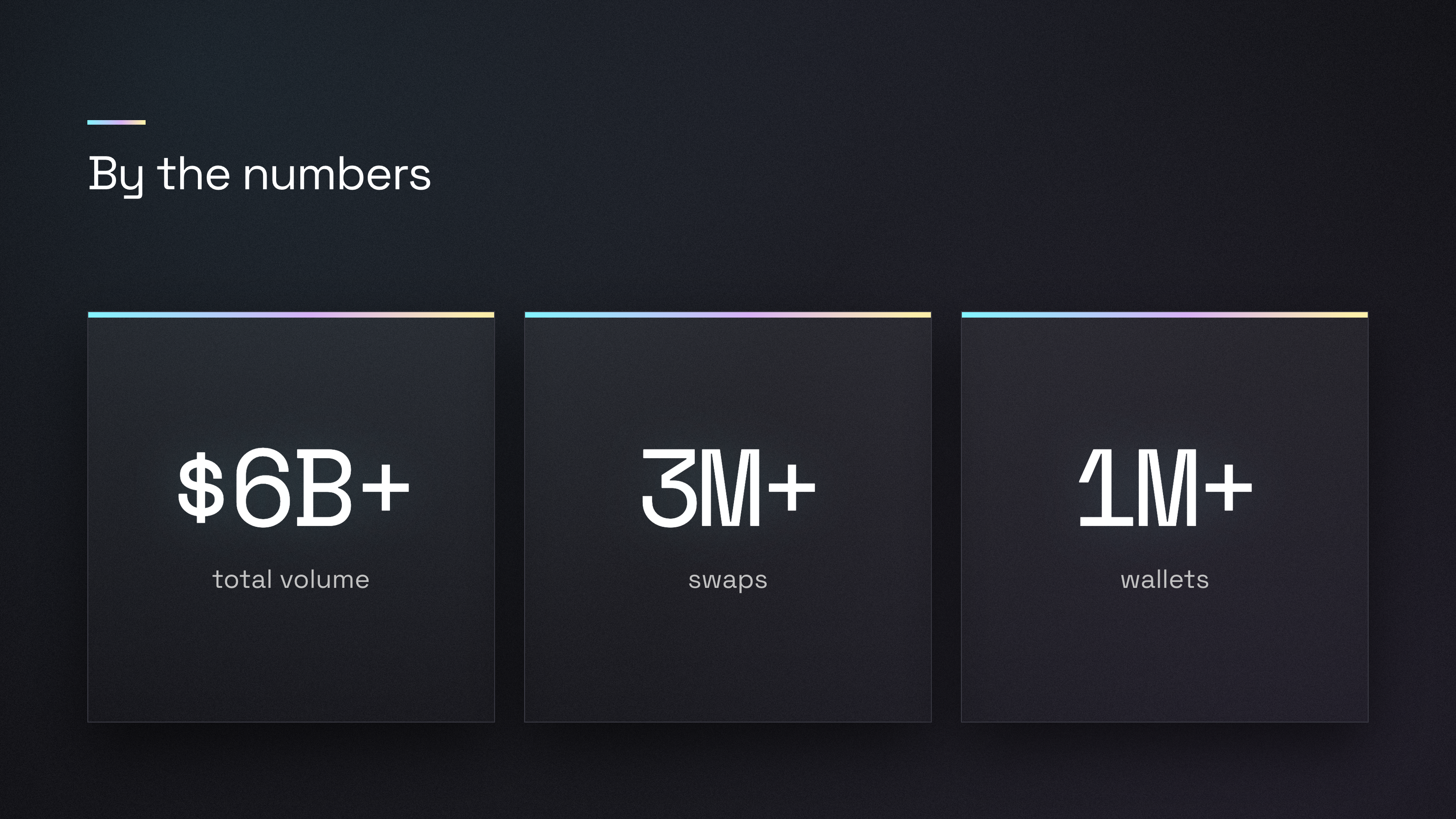
Over 1 million wallets have entered Solana through Mayan, and together they account for over 3 million swaps and $6 billion in inflows.
The direction matters as much as the size. Capital moves both ways through Mayan, and the balance tilts heavily toward Solana: a net destination by $1B+, with far more arriving than leaving. What comes to Solana stays.
And that volume is accelerating, with inflows growing 35x in three years:
2023: $100M+ into Solana
2024: $2B+
2025: $3B+
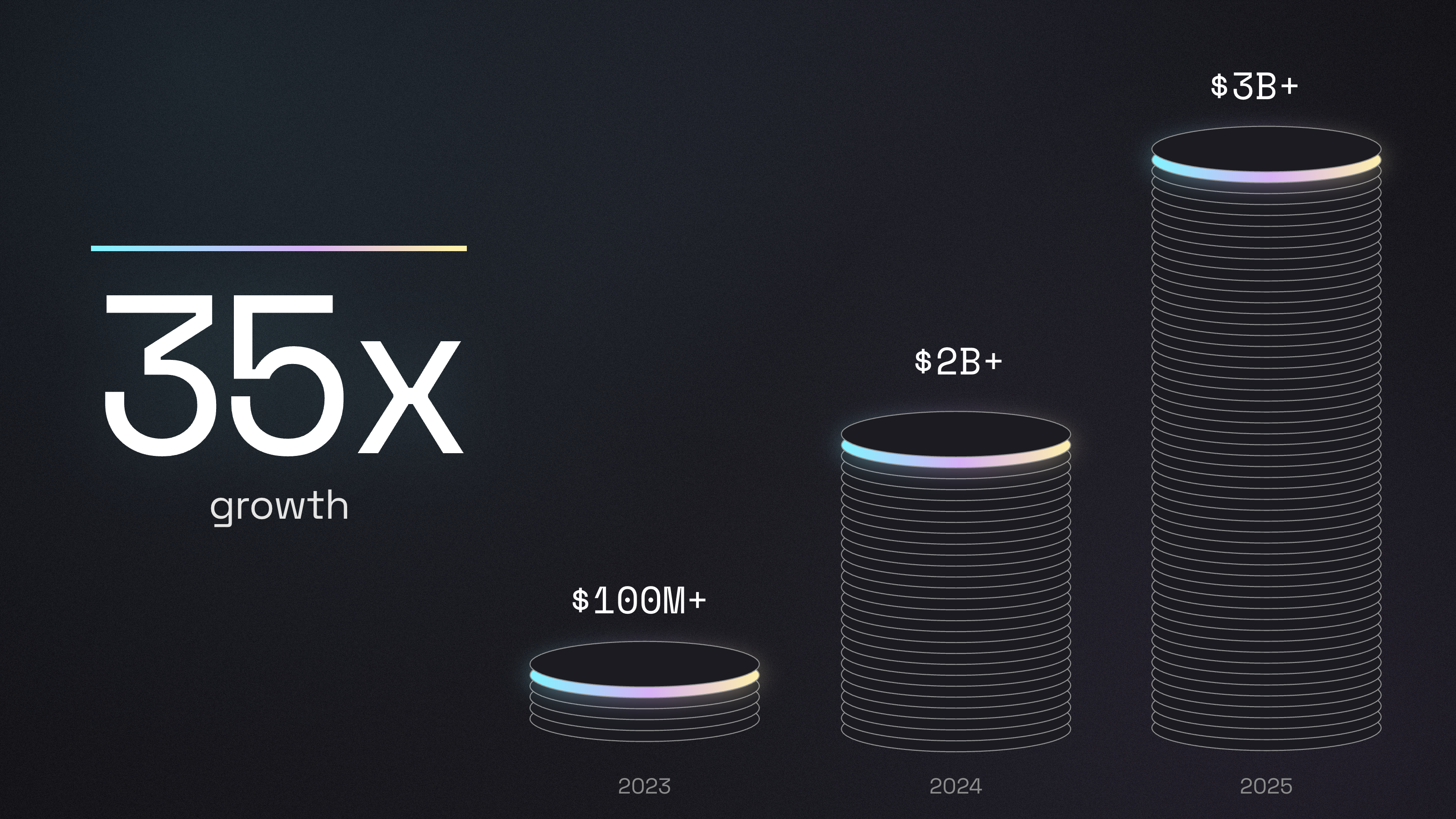
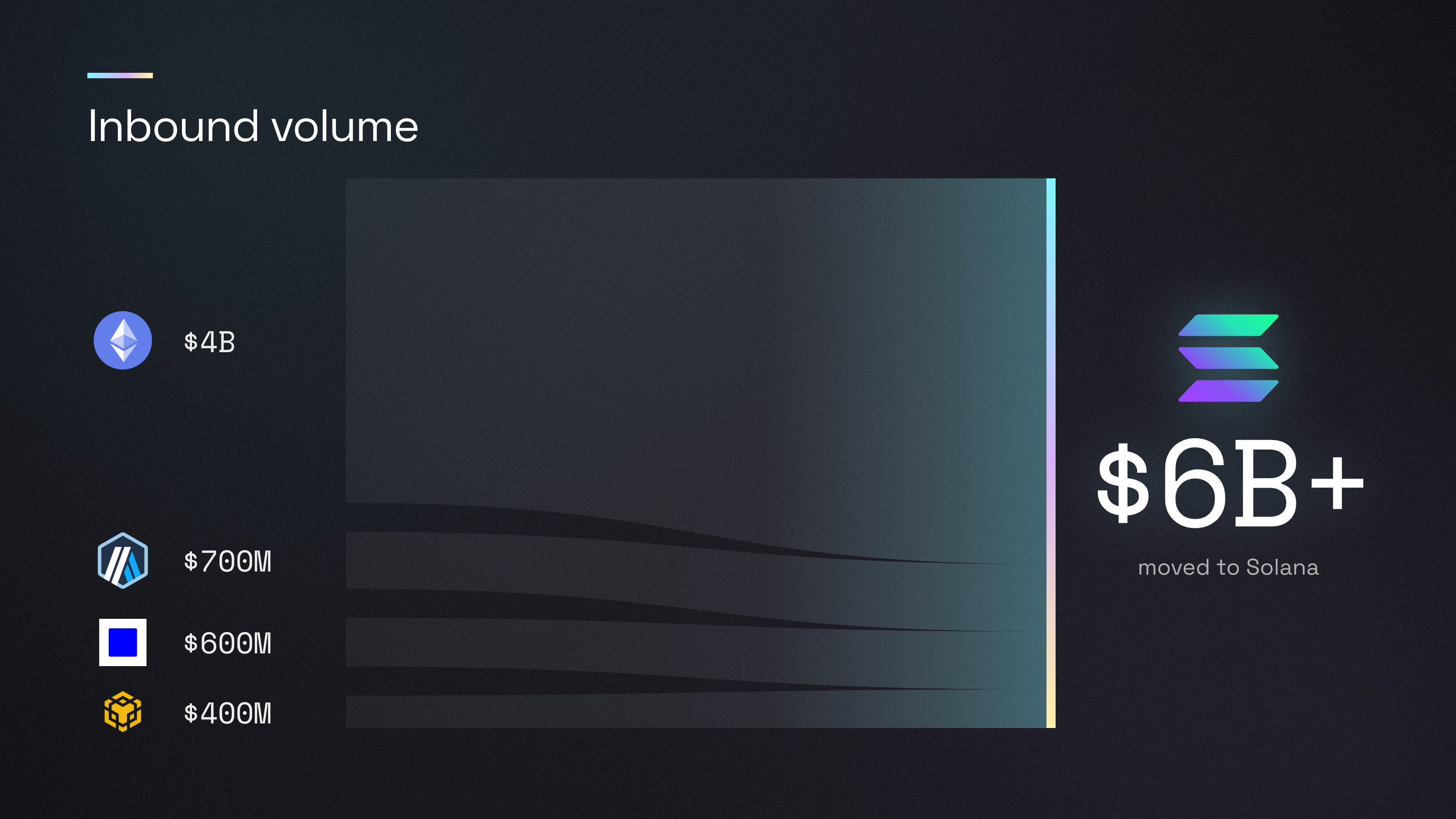
That is 35x growth from 2023 to 2025, drawn from the largest chains in crypto:
Ethereum: $4B+ (about two-thirds of all Solana-bound volume)
Arbitrum: $700M+
Base: $600M+
BNB Smart Chain: $400M+
What the capital does once it lands
Capital doesn't stop at arrival. Billions in value has reached Solana through Mayan and gone to work across the ecosystem: AMMs, perps, lending markets, wallets, and consumer apps.
Stablecoins are a large share of it. Nearly $2.5B+ in stablecoins has landed on Solana through Mayan across 600K+ stablecoin swaps, the most usable form of inbound capital, deployable as soon as it arrives.
This is volume that gets deployed rather than just moved. It deepens liquidity, funds deposits, and reaches the applications that make Solana's markets work.
Where Mayan sits
Most users never see Mayan, by design.
It usually runs underneath and interacts with the products people already use:
Wallets: Phantom, MetaMask, Backpack, OKX Wallet, Binance Wallet, Bitget Wallet, Rabby, and more.
Aggregators and routers: Moonpay, LI.FI, 0x, OKX DEX, Socket, Jumper, Bungee, Rango, SwapKit, Avail, Matcha, Rubic, and more.
These products route across the ecosystem into hundreds of downstream apps. A large share of those 3M+ swaps happened without the user knowing Mayan was the route. They pressed a button in a wallet or an application, and the capital arrived instantly on Solana.
For infrastructure, that is the intended outcome. The better it works, the less visible it is. Most users shouldn't have to think about bridging at all, and the infrastructure underneath should handle it.
Why apps route through Mayan
When a product needs to move users across chains, it turns to Mayan for three reasons: instant settlement, best-price execution, and proven scale.
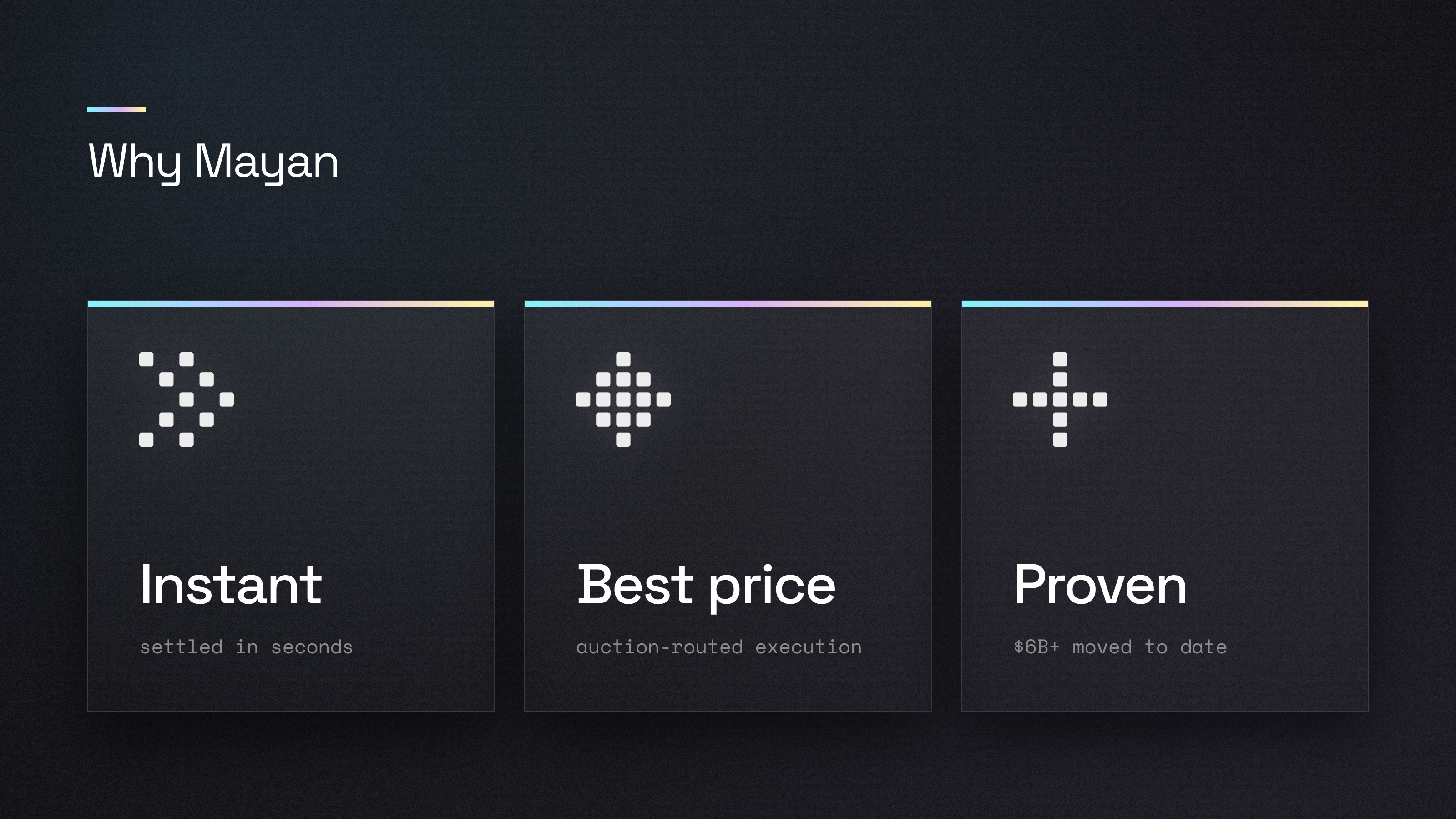
Instant: orders fill in seconds instead of minutes.
Best price: competition between drivers gives the user the best market rate, every time.
Proven: $6B+ settled to Solana across millions of swaps gives products a track record to build on.
For a builder, this turns a multi-step, multi-chain process into a single flow. Users start from the chains where they already hold assets and arrive on Solana without leaving their apps.
Mayan currently supports Solana, Ethereum, Base, Arbitrum, BNB Chain, Polygon, Avalanche, Optimism, Sui, Monad, Hyperliquid, HyperEVM, Unichain, and Linea, with more chains being added continuously.
For builders
Any team can integrate the same route that has already moved more than $6B into Solana: wallets, aggregators, DeFi protocols, trading terminals, consumer apps, or anything that needs to bring users or capital onto Solana from another chain.
Integration runs through the Mayan SDK, @mayanfinance/swap-sdk. A few core functions handle the full swap flow:
fetchQuote
swapFromEvm
swapFromSolana
Every swap can generate a fee for the integrating team, settled onchain automatically, with no invoicing or reconciliation. Swaps to Solana become a native part of the product, and every completed swap can create revenue for your team.
Summary
Four years ago, Mayan bet that Solana was where capital would go. $6B+ later, the bet has paid off, with inflows compounding 35x and more capital staying than leaving.
Solana is becoming the home of internet capital markets. Mayan gets you and your users there.
Start building at docs.mayan.finance | Start swapping on swap.mayan.finance.